“Exploring AI: A Dialogue With CHATGPT” takes you on an exciting journey through the world of artificial intelligence (AI). In this captivating ebook, join a 12th-grade student, preparing for the IIT JEE exams, as they engage in intriguing conversations with ChatGPT, a powerful language model developed by OpenAI.
Through interactive dialogues, the author demystifies the complexities of AI, covering topics like machine learning, deep learning, natural language processing, computer vision, and robotics. This unique conversational format allows readers to explore AI concepts with clarity, making it an accessible read for both beginners and enthusiasts.
Designed for those with busy schedules, the ebook is presented in a concise and informative style, providing valuable insights into the potential and ethical considerations of AI in our rapidly evolving world. “Exploring AI: A Dialogue With CHATGPT” is the perfect companion for anyone curious about the wonders of artificial intelligence and its impact on our lives. Embark on this enlightening journey today and discover the exciting realm of AI through the lens of a fascinating dialogue.
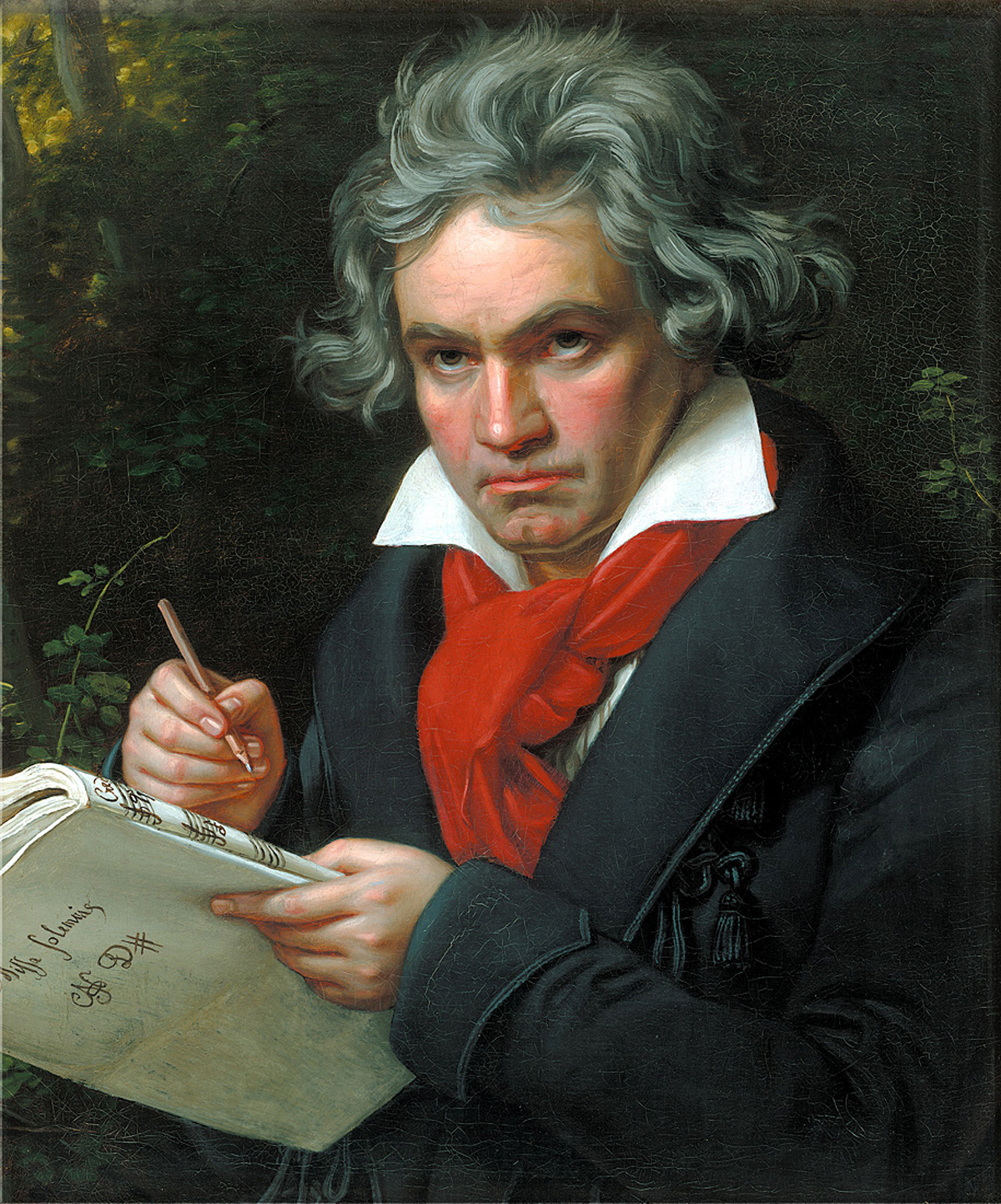
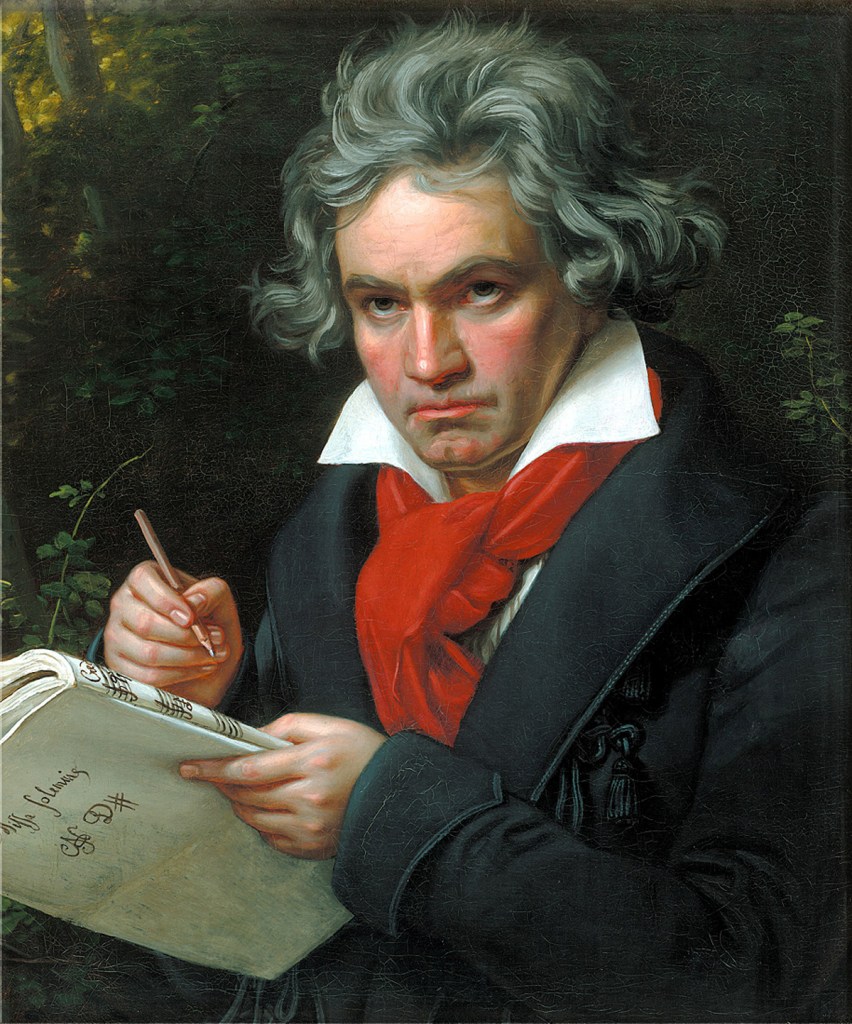
Hello Adda Lovers,,hope you have read our previous blog post on love stories.Today I am here with the biography on greatest music genius of all time – BEETHOVEN
Get better view on our website. ( Otherwise you will see only yellow; Which seems annoying!)
Ludwig van Beethoven is one of the most famous and revered composers in the history of classical music. He was a German composer and pianist who lived from 1770 to 1827. Beethoven’s musical genius and his contributions to the development of Western classical music are widely recognized and celebrated to this day.
Beethoven was born in Bonn, Germany, and began playing the piano at a young age. His father, who was also a musician, recognized his son’s talent and pushed him to excel. Beethoven’s musical career began in earnest when he moved to Vienna in 1792, where he studied with Joseph Haydn and quickly gained a reputation as a virtuoso pianist.
Beethoven’s early works were heavily influenced by the Classical era, but he quickly began to develop his own unique style. His music is known for its emotional intensity, innovative use of harmony, and complex structure. Beethoven’s oeuvre spans a wide range of genres, from solo piano works to symphonies and operas.
One of Beethoven’s most famous works is his Symphony No. 9, also known as the Choral Symphony. This monumental work, completed in 1824, features a chorus and soloists singing Friedrich Schiller’s “Ode to Joy” in the final movement. The symphony is a celebration of the human spirit and has become one of the most iconic works in the classical repertoire.
Beethoven’s late period, from around 1815 until his death in 1827, was marked by a turn towards more introspective and experimental works. His late string quartets, for example, are considered some of the most challenging and profound works in the chamber music canon.
Despite his fame and success as a composer, Beethoven faced numerous personal struggles throughout his life. He suffered from hearing loss, which began to afflict him in his late 20s and ultimately left him completely deaf. Beethoven also struggled with mental health issues, including depression and suicidal thoughts.
Despite these challenges, Beethoven continued to compose some of his most innovative and groundbreaking works in his later years. His legacy as a composer and pianist continues to inspire musicians and music lovers around the world to this day.
In conclusion, Ludwig van Beethoven was a musical genius who made an enormous impact on the development of Western classical music. His music is characterized by emotional intensity, innovative use of harmony, and complex structure, and his contributions to the classical repertoire continue to be celebrated and admired. Despite facing personal struggles throughout his life, Beethoven continued to compose some of his most profound and innovative works until his death in 1827.
Scotland is a beautiful country with a rich history and culture that makes it unique and special. Known for its stunning landscapes, vibrant cities, and friendly people, Scotland has a lot to offer visitors and locals alike. In this blog post, we’ll take a closer look at some of the things that make Scotland a truly special place.
https://pagead2.googlesyndication.com/pagead/js/adsbygoogle.js?client=ca-pub-4967355745144907
(adsbygoogle = window.adsbygoogle || []).push({});
1. Scottish Culture and Heritage
Scotland has a unique culture and heritage that is celebrated around the world. From traditional music and dance to literature and art, Scotland has made significant contributions to the cultural landscape of the world. The country is home to some of the most iconic landmarks in the world, such as Edinburgh Castle, Loch Ness, and the stunning Highlands. The Scottish people take great pride in their history and culture and love to share it with visitors.
https://pagead2.googlesyndication.com/pagead/js/adsbygoogle.js?client=ca-pub-4967355745144907
(adsbygoogle = window.adsbygoogle || []).push({});
2. Whisky
Whisky is one of Scotland’s most famous exports and is enjoyed by millions of people around the world. The country is home to some of the best distilleries in the world, producing a wide range of whiskies that are loved for their unique flavor and character. Scotch whisky is made using traditional methods, and many distilleries offer tours and tastings to visitors.
https://pagead2.googlesyndication.com/pagead/js/adsbygoogle.js?client=ca-pub-4967355745144907
(adsbygoogle = window.adsbygoogle || []).push({});
3. Golf
Scotland is often referred to as the “Home of Golf,” as the game was first played here over 600 years ago. The country is home to some of the world’s best golf courses, including St Andrews, Royal Troon, and Gleneagles. Many golfers travel to Scotland to play on these famous courses and experience the stunning scenery that surrounds them.
4. Food and Drink
Scotland has a thriving food and drink scene, with a range of local delicacies and dishes to try. From haggis to Cullen skink, the country is known for its hearty, filling cuisine that makes use of fresh, locally-sourced ingredients. Scotland is also home to some of the best seafood in the world, including salmon, langoustines, and oysters.
5. Festivals and Events
Scotland is a country that loves to celebrate, with a range of festivals and events taking place throughout the year. From the Edinburgh Fringe Festival to the Highland Games, there is always something going on in Scotland. These events are a great way to experience the country’s culture and traditions and to meet new people.
In conclusion, Scotland is a truly special place, with a rich culture and heritage, stunning scenery, and a friendly, welcoming people. Whether you’re interested in history, food, sport, or just soaking up the atmosphere, there is something for everyone in Scotland. It’s no wonder that it’s such a popular destination for visitors from all over the world.
Pie is a beloved dessert and savory dish enjoyed all over the world, but its history stretches back thousands of years. The word “pie” comes from the Latin word “pica,” meaning magpie, because early pies were often made with a mixture of ingredients, similar to the way a magpie collects various objects. This article will explore the history of pie, from its humble beginnings to its present-day popularity.
The ancient Egyptians are credited with inventing the first pies. They would bake savory pies filled with meat and vegetables, and sweet pies filled with honey, dates, and nuts. These pies were often baked in a clay pot, which helped to keep the filling moist.
The ancient Greeks and Romans also enjoyed pies. The Greeks made pies filled with fish, and the Romans made pies filled with meat and fruit. These pies were often served at banquets and feasts.
During the Middle Ages, pies became more popular in Europe. They were often made with a crust made from flour, water, and lard, and filled with meat, vegetables, or fruit. Pies were a popular way to use up leftover ingredients, and they were often eaten by peasants who couldn’t afford more expensive foods.
In the 16th century, pies became even more popular in England. The pastry crust was refined, and pies were often decorated with intricate designs. Sweet pies filled with fruit, such as apples and berries, became popular, as did savory pies filled with meats, such as pork, beef, and chicken.
Pies also became associated with special occasions, such as Christmas and weddings. It was traditional to serve a mince pie at Christmas, which was filled with a mixture of dried fruits and spices. Wedding pies were often multi-tiered, with each tier filled with a different type of filling.
In the 17th century, pies made their way to North America. The early colonists brought with them recipes for meat pies and fruit pies, which they adapted to the local ingredients. Pumpkin pie, a staple of the American Thanksgiving feast, is thought to have originated with the Native Americans, who made a similar dish using squash.
During the Industrial Revolution, the production of pies became more efficient, thanks to advances in machinery and transportation. Pies could now be made on a larger scale, and they became more affordable for the working class.
In the 20th century, pies continued to evolve. In the United States, fast-food chains like McDonald’s began selling pies filled with fruit, cream, and other sweet fillings. In the UK, savory pies like steak and kidney and chicken and mushroom became popular pub fare.
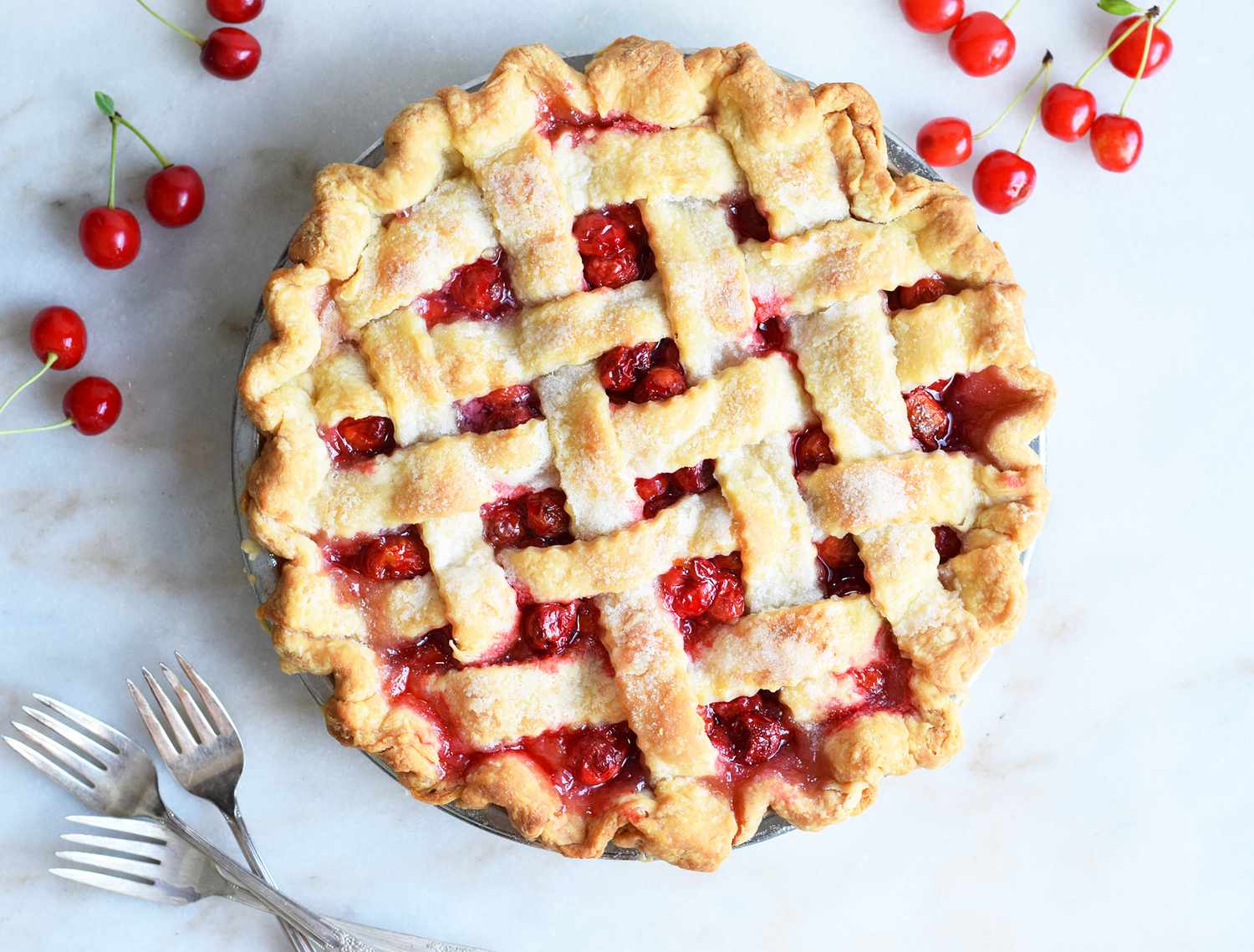
Today, pie is enjoyed all over the world, and there are countless variations on the classic recipe. Some people prefer a flaky crust, while others prefer a more dense pastry. Sweet pies are still popular, with fillings like apple, cherry, and blueberry. Savory pies are also still enjoyed, with fillings like chicken and mushroom, shepherd’s pie, and pot pie.
In conclusion, pie has a long and fascinating history that spans thousands of years and many cultures. From its humble beginnings in ancient Egypt to its present-day popularity all over the world, pie has evolved and adapted to suit the tastes of different generations and regions. Whether sweet or savory, simple or elaborate, pie remains a beloved dish that brings joy to people of all ages.









 Bloggers Adda