“Exploring AI: A Dialogue With CHATGPT” takes you on an exciting journey through the world of artificial intelligence (AI). In this captivating ebook, join a 12th-grade student, preparing for the IIT JEE exams, as they engage in intriguing conversations with ChatGPT, a powerful language model developed by OpenAI.
Through interactive dialogues, the author demystifies the complexities of AI, covering topics like machine learning, deep learning, natural language processing, computer vision, and robotics. This unique conversational format allows readers to explore AI concepts with clarity, making it an accessible read for both beginners and enthusiasts.
Designed for those with busy schedules, the ebook is presented in a concise and informative style, providing valuable insights into the potential and ethical considerations of AI in our rapidly evolving world. “Exploring AI: A Dialogue With CHATGPT” is the perfect companion for anyone curious about the wonders of artificial intelligence and its impact on our lives. Embark on this enlightening journey today and discover the exciting realm of AI through the lens of a fascinating dialogue.
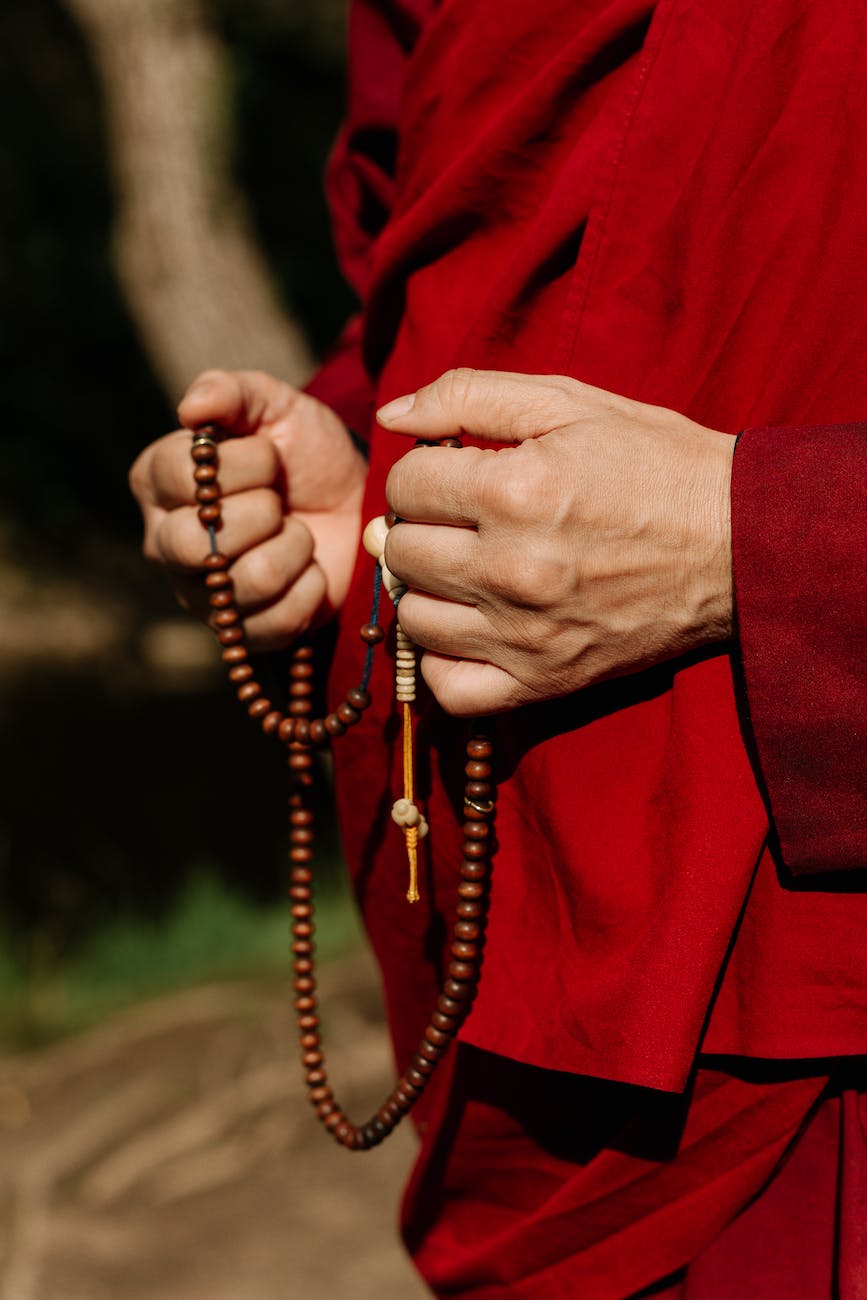
Once upon a time, in a serene and secluded monastery nestled high in the mountains, there lived a wise and humble monk. He was known throughout the land for his deep wisdom, compassion, and unwavering sense of peace. People from far and wide sought his guidance and sought solace in his presence.
The monk had lived a life filled with trials and tribulations, yet he had managed to find inner tranquility amidst the chaos of the world. He had walked a path of self-discovery, striving to unlock the mysteries of life and the universe.
One day, a young traveler arrived at the monastery, seeking answers to the questions that burdened his heart. The traveler had been lost and disheartened, grappling with the challenges of the modern world. He hoped that the monk would help him find clarity and purpose.
The monk greeted the traveler with a warm smile, sensing the weight of his burden. They sat beneath a grand old tree, surrounded by the soothing sounds of nature. The monk listened attentively as the traveler poured out his frustrations and fears, desperately seeking guidance.
With a calm voice and serene demeanor, the monk began to share his own story. He spoke of a time when he, too, had felt lost and overwhelmed by the complexities of life. He had wandered aimlessly, seeking answers in all the wrong places.
But one day, as he stood on the edge of a precipice, he had an epiphany. He realized that the answers he sought were not to be found in the external world but within himself. With newfound determination, he embarked on a spiritual journey, delving deep into meditation and self-reflection.
Through years of dedicated practice, the monk discovered that true peace and fulfillment could only be found by connecting with the present moment and embracing the beauty of simplicity. He learned to let go of attachments and desires that caused suffering, focusing instead on cultivating love, compassion, and gratitude.
The traveler listened intently, captivated by the monk’s words. He realized that the path to true happiness lay not in external circumstances but in the depths of his own being. Inspired by the monk’s story, he resolved to embark on his own journey of self-discovery.
Days turned into weeks, and weeks turned into months. The traveler immersed himself in meditation, contemplation, and acts of kindness. With each passing day, he felt a greater sense of peace and clarity.
Years later, the traveler returned to the monastery, a transformed man. His eyes sparkled with wisdom, and his heart overflowed with gratitude. He sought out the monk, eager to express his gratitude for the profound impact he had on his life.
As they sat together once again, the monk smiled, knowing that he had fulfilled his purpose. He had inspired another soul to embark on a journey of self-discovery, just as he had once been inspired.
And so, the story of the monk and the traveler became a legend, passed down through generations, inspiring countless individuals to seek the light within themselves and find solace in the depths of their own being. The monk’s legacy of wisdom and compassion lived on, reminding all who heard his tale that true happiness lies in the journey of self-discovery and the cultivation of inner peace.
In the twilight’s gentle sway, a tale unfolds, Of a lone leaf, clinging tight, against the cold. A symphony of seasons, a dance with fate, As nature weaves its tapestry, both delicate and great.
Oh, last leaf, resolute in your defiance, A whispered remnant of summer’s vibrant alliance. Amidst the barren boughs, you persist, A testament to strength, in the midst of nature’s twist.
Winter winds howl, seeking to snatch you away, Yet you hold on, refusing to sway. A warrior of perseverance, against the odds, A sentinel of hope, in the face of winter’s facade.
Through autumn’s farewell, you shimmered in gold, A blaze of colors, stories yet untold. But as your comrades descended, one by one, You clung to life, until you were the chosen one.
Each day, the sun rises and paints the sky, And there you stand, with resolve, oh so high. A solitary figure, against the gray expanse, A symbol of endurance, in life’s intricate dance.
What secrets do you hold, oh last leaf of the tree? What tales of strength and courage do you carry with thee? In your veins, the whispers of countless years, The echoes of laughter, and unshed tears.
As spring’s tender touch caresses the land, And new life blossoms, hand in hand, You linger still, a silent survivor, A guardian of memories, keeping them alive forever.
Oh, last leaf, when your time finally comes, And nature’s symphony of change succumbs, Know that you have left an indelible mark, A testament to the beauty found in the dark.
For you have taught us, in your quiet way, That even in endings, there’s beauty to sway. A single leaf, but a story profound, Forever etched in hearts, your presence profound.
Title: The Enchanting Splendor of Hibiscus: A Poetic Ode
Introduction: In nature’s vibrant tapestry, there exists a flower that captures hearts with its resplendent hues and delicate charm. Welcome to the realm of the hibiscus, where beauty blossoms like a poet’s verse and petals whisper secrets to the wind. Join me as we delve into the world of this captivating flower, exploring its elegance and allure through the lens of poetry.
Verse 1: The Awakening Amidst the emerald realms it dwells, A bud, caressed by dawn’s soft light, Yearning to unfurl, its tale to tell, Hibiscus, the muse of nature’s might.
Verse 2: Radiant Splendor Petals, like crimson flames ablaze, Or ivory hues kissed by the sun, Hibiscus blossoms in myriad ways, A symphony of colors artfully spun.
Verse 3: Dance of the Breeze Whispering secrets to the gentle breeze, Hibiscus sways in nature’s tender arms, Leaves quiver, a harmonious tease, As melodies of fragrant scents perform.
Verse 4: Ephemeral Beauty Yet fleeting, like a fleeting dream, Hibiscus’ splendor graces the morn, Each bloom, a brief and wondrous gleam, A reminder of life’s transient form.
Verse 5: Symbol of Passion In ancient tales and folklore’s verse, Hibiscus symbolizes love’s desire, Its scarlet petals, passion’s curse, Igniting hearts with an ardor afire.
Verse 6: Secrets of the Garden Amidst the verdant garden’s embrace, Hibiscus reveals its untold lore, A haven for hummingbird’s delicate grace, And a refuge for butterflies to adore.
Verse 7: Endless Inspiration For poets and artists, a muse divine, Hibiscus sparks creativity’s flame, Its essence, a source of inspiration’s wine, Nurturing artistry in nature’s name.
Conclusion: Let us cherish the hibiscus, this floral enigma, A testament to nature’s poetic design, For in its grace and beauty, it whispers, A timeless tale that forever shall shine. So, embrace the hibiscus, with awe and delight, As it weaves its magic, day and night.
In gardens, it thrives, a masterpiece to behold, The hibiscus, a poetic symphony of petals untold.
Title: Unleashing the Power of Side Hustle: A Pathway to Financial Independence
Introduction: In today’s fast-paced and ever-changing world, the concept of a side hustle has gained tremendous popularity. A side hustle refers to a supplementary job or income stream that individuals pursue alongside their regular employment. It provides an opportunity to explore new passions, develop skills, and most importantly, boost financial stability. In this blog post, we will delve into the world of side hustles, exploring their benefits, practical ideas, and tips for success.
Why Pursue a Side Hustle? 1. Financial Freedom: One of the primary reasons people embark on side hustles is to enhance their financial situation. Whether it’s paying off debt, saving for a specific goal, or achieving long-term financial independence, a side hustle can provide that extra income stream to make it happen.
2. Skill Development: Side hustles offer a chance to explore new interests and develop valuable skills outside of your primary job. Whether it’s starting a blog, learning graphic design, or mastering social media marketing, these additional skills can open doors to new career opportunities and personal growth.
3. Pursuing Passions: Many people find their 9-to-5 jobs unfulfilling or restrictive in terms of pursuing their true passions. A side hustle allows individuals to channel their creativity and interests into a venture they are truly passionate about, providing a sense of fulfillment and purpose.
4. Building Networks: Side hustles often require interacting with new communities, clients, or customers. This opens up networking opportunities and expands your professional connections, which can be valuable for future career prospects or collaborations.
Practical Side Hustle Ideas: 1. Freelancing: Leverage your skills and offer freelance services in areas such as writing, graphic design, web development, social media management, or virtual assistance. Freelancing platforms like Upwork, Fiverr, or Freelancer can help you connect with potential clients.
2. E-commerce and Dropshipping: Set up an online store and sell products or use dropshipping to sell products without the need for inventory management. Platforms like Shopify or Etsy make it easy to get started.
3. Content Creation: Start a blog, YouTube channel, or podcast to share your expertise or creative content. Monetize through ad revenue, sponsored content, or selling digital products.
4. Teaching and Coaching: Share your knowledge and skills by offering online courses, tutoring services, or coaching in subjects you excel at. Platforms like Udemy or Teachable can help you create and sell your courses.
5. Rental Services: If you have spare rooms, a car, or equipment you rarely use, consider renting them out through platforms like Airbnb, Turo, or Fat Llama.
Tips for Side Hustle Success: 1. Time Management: Balancing a side hustle alongside a full-time job and personal life can be challenging. Plan and allocate dedicated time slots for your side hustle to ensure consistency and progress.
2. Set Realistic Goals: Define specific, achievable goals for your side hustle, whether it’s earning a certain amount of money, reaching a particular customer base, or completing a project. Break them down into smaller milestones to track your progress.
3. Build an Online Presence: Establish an online presence through a website, social media profiles, or a professional portfolio. Utilize these platforms to showcase your work, connect with potential clients or customers, and build your brand.
4. Continuous Learning: Stay updated with industry trends, sharpen your skills, and explore new avenues within your chosen side hustle. Attend webinars, workshops, or online courses to expand your knowledge and expertise.
5. Seek Support: Join communities or forums related to your side hustle where you can connect with like-minded individuals, exchange ideas, and seek advice. Collaborating with others can
HELLO 👋 here are some techniques that can help you improve your communication gestures:
1. Practice Active Listening: When communicating with others, make sure to actively listen to what they are saying. This means giving them your full attention, asking clarifying questions, and responding appropriately to their concerns.
2. Observe Nonverbal Cues: Pay attention to your own nonverbal cues, such as eye contact, facial expressions, and body language. Also, observe the nonverbal cues of others and adjust your communication accordingly.
3. Use Appropriate Tone and Volume: Adjust your tone and volume based on the situation and the person you are communicating with. For example, if you are in a quiet setting, speak softly and avoid shouting.
4. Practice Empathy: Try to see things from the other person’s perspective and be empathetic in your communication. This means acknowledging their feelings and concerns, even if you don’t agree with them. Listen FULL PODCAST
5. Practice Clear and Concise Language: Use clear and concise language when communicating, and avoid using overly technical or complicated language that may confuse others.
6. Get Feedback: Ask for feedback from others on your communication style and gestures, and be open to constructive criticism.
7. Practice in Front of a Mirror: Practicing your gestures and body language in front of a mirror can help you become more aware of how you come across to others.
8. Attend Workshops or Seminars: Attend workshops or seminars on effective communication to learn new techniques and strategies for improving your communication skills.
By implementing these techniques, you can improve your communication gestures and become a more effective communicator, both in your personal and professional life.
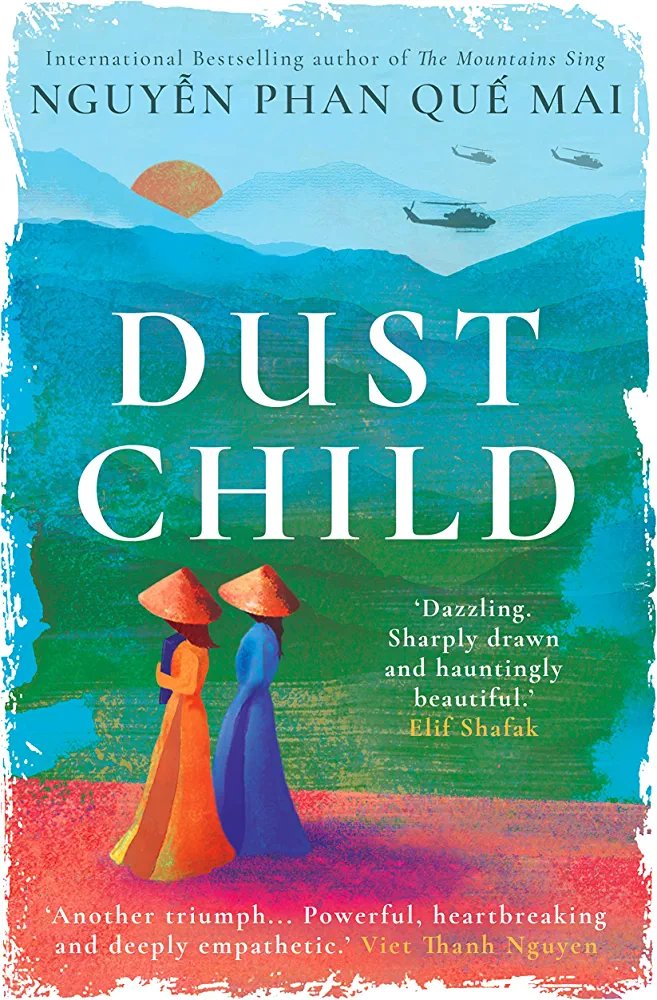
“Dust Child” is a collection of poetry by the Vietnamese writer Nguyen Phan Que Mai. The poems in the book deal with a range of themes, including love, loss, memory, war, and the experiences of women.
The book is divided into three sections: “The Light,” “The Dark,” and “The Dust.” The first section focuses on the beauty and joy of life, with poems that celebrate love, nature, and the power of human connection. The second section delves into darker and more difficult subjects, such as the trauma of war, the pain of loss, and the struggle for survival. The final section, “The Dust,” explores themes of mortality, impermanence, and the fragility of life.
Overall, the poems in “Dust Child” are hauntingly beautiful and deeply emotional. Nguyen Phan Que Mai has a gift for evoking powerful imagery and capturing complex emotions in simple yet profound language. Her writing is both personal and universal, speaking to the experiences of individuals while also touching on larger societal and cultural issues.
One of the standout poems in the collection is “The Ghosts of My Lai,” which explores the legacy of the infamous My Lai massacre during the Vietnam War. The poem is a haunting meditation on the human cost of war, and the way that violence and trauma can reverberate across generations. Other notable poems include “The Women,” which pays tribute to the resilience and strength of Vietnamese women, and “The Arrival,” which captures the sense of hope and possibility that comes with new beginnings.
In short, “Dust Child” is a powerful and moving collection of poetry that offers a glimpse into the complexities of Vietnamese life and culture, while also speaking to universal human experiences of love, loss, and longing. It is a must-read for anyone interested in contemporary Vietnamese literature, as well as for fans of poetry that explores the deeper layers of the human experience.
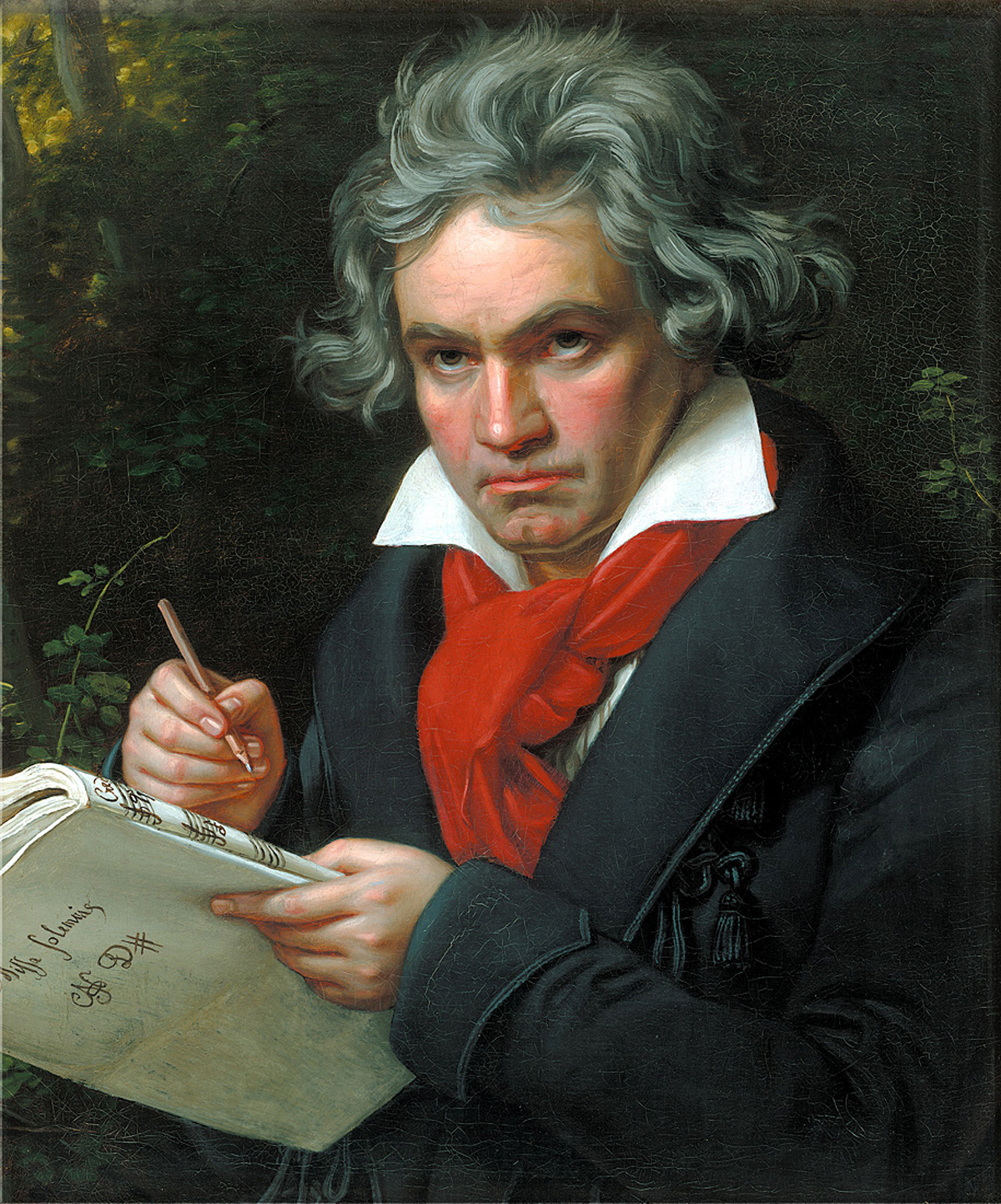
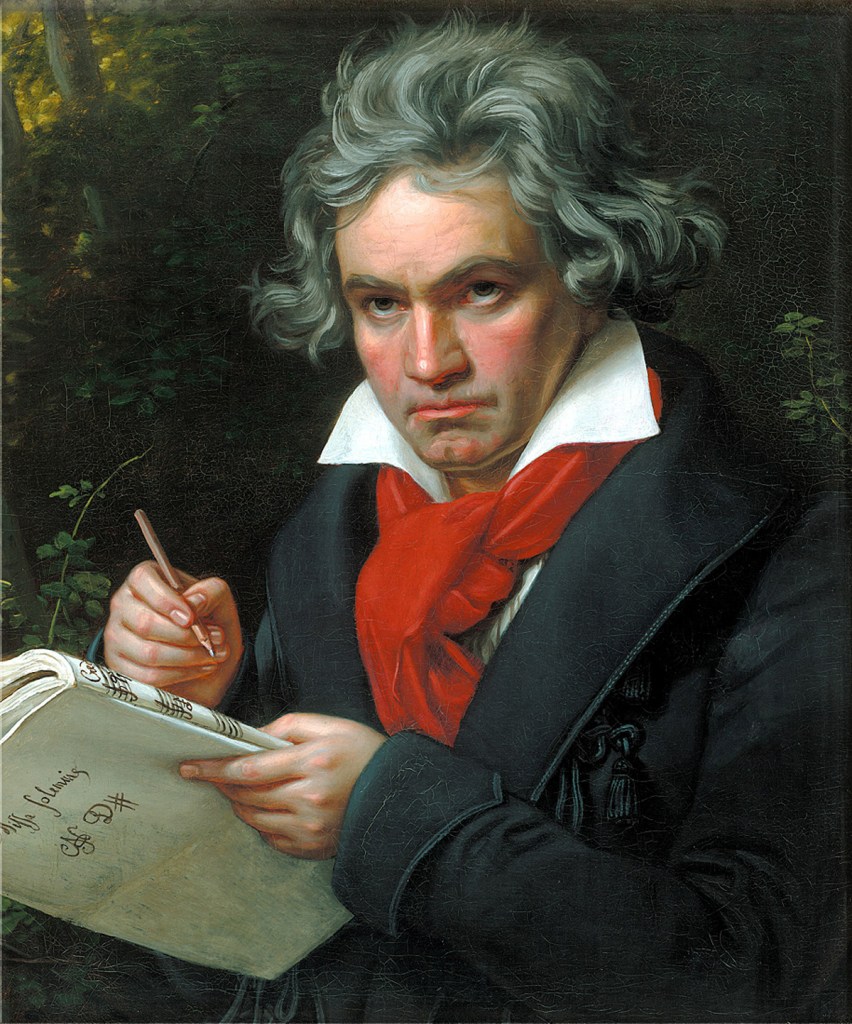
Hello Adda Lovers,,hope you have read our previous blog post on love stories.Today I am here with the biography on greatest music genius of all time – BEETHOVEN
Get better view on our website. ( Otherwise you will see only yellow; Which seems annoying!)
Ludwig van Beethoven is one of the most famous and revered composers in the history of classical music. He was a German composer and pianist who lived from 1770 to 1827. Beethoven’s musical genius and his contributions to the development of Western classical music are widely recognized and celebrated to this day.
Beethoven was born in Bonn, Germany, and began playing the piano at a young age. His father, who was also a musician, recognized his son’s talent and pushed him to excel. Beethoven’s musical career began in earnest when he moved to Vienna in 1792, where he studied with Joseph Haydn and quickly gained a reputation as a virtuoso pianist.
Beethoven’s early works were heavily influenced by the Classical era, but he quickly began to develop his own unique style. His music is known for its emotional intensity, innovative use of harmony, and complex structure. Beethoven’s oeuvre spans a wide range of genres, from solo piano works to symphonies and operas.
One of Beethoven’s most famous works is his Symphony No. 9, also known as the Choral Symphony. This monumental work, completed in 1824, features a chorus and soloists singing Friedrich Schiller’s “Ode to Joy” in the final movement. The symphony is a celebration of the human spirit and has become one of the most iconic works in the classical repertoire.
Beethoven’s late period, from around 1815 until his death in 1827, was marked by a turn towards more introspective and experimental works. His late string quartets, for example, are considered some of the most challenging and profound works in the chamber music canon.
Despite his fame and success as a composer, Beethoven faced numerous personal struggles throughout his life. He suffered from hearing loss, which began to afflict him in his late 20s and ultimately left him completely deaf. Beethoven also struggled with mental health issues, including depression and suicidal thoughts.
Despite these challenges, Beethoven continued to compose some of his most innovative and groundbreaking works in his later years. His legacy as a composer and pianist continues to inspire musicians and music lovers around the world to this day.
In conclusion, Ludwig van Beethoven was a musical genius who made an enormous impact on the development of Western classical music. His music is characterized by emotional intensity, innovative use of harmony, and complex structure, and his contributions to the classical repertoire continue to be celebrated and admired. Despite facing personal struggles throughout his life, Beethoven continued to compose some of his most profound and innovative works until his death in 1827.
After a long and demanding day, it’s essential to take some time to unwind and relax. It helps to reset your mind and prepare you for the next day. Everyone has different ways of unwinding, and it’s important to find the methods that work best for you. Here are some ways to unwind after a demanding day:
1. Exercise or Go for a Walk
Exercising is an excellent way to relieve stress and tension in your body. Going for a walk, jogging, or hitting the gym can help you release endorphins, which are known to boost mood and alleviate stress. A good workout can also help you sleep better at night.
2. Meditate or Practice Yoga
Meditation and yoga are excellent relaxation techniques that help you calm your mind and body. These practices help you focus on your breathing and bring your attention to the present moment, which can help you reduce stress and anxiety.
3. Take a Hot Bath
A hot bath is a great way to soothe sore muscles and relax your mind. You can add Epsom salts or essential oils to the water to make it even more therapeutic. Taking a hot bath before bed can help you fall asleep faster and improve the quality of your sleep.
4. Read a Book
Reading a book can help you escape from the stress of the day and enter a different world. Reading is a calming activity that can help you reduce stress levels and improve your cognitive function.
5. Watch a Movie or TV Show
Watching a movie or TV show can be a great way to unwind and distract yourself from the day’s stresses. It can be a good idea to choose something light-hearted and entertaining that doesn’t require too much concentration.
6. Listen to Music
Listening to music is an excellent way to unwind and relax. Music has a powerful effect on our emotions and can help us feel happier, calmer, and more relaxed. You can create a playlist of your favorite songs to listen to after a demanding day.
7. Talk to a Friend or Loved One
Talking to someone you trust can be an excellent way to release stress and tension. You can share your thoughts and feelings with them and gain perspective on the challenges you’re facing. Just talking to someone can help you feel less alone and more supported.
In conclusion, there are many ways to unwind after a demanding day. It’s important to find the methods that work best for you and make them a part of your daily routine. Taking care of your mental and physical health is essential, and taking time to unwind and relax can help you achieve that.



















 Bloggers Adda