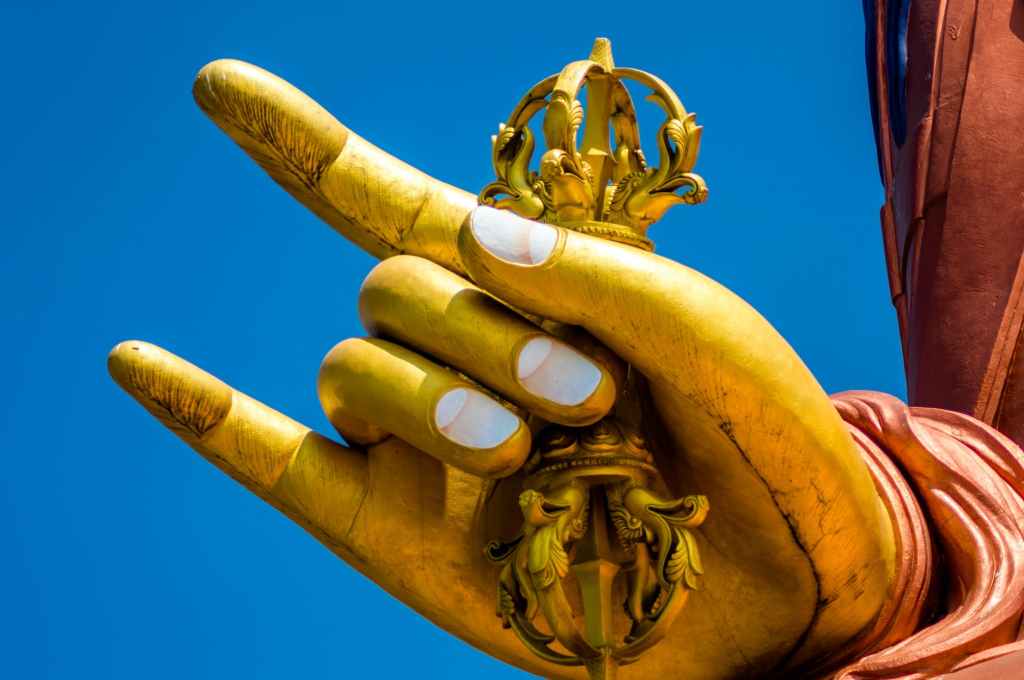

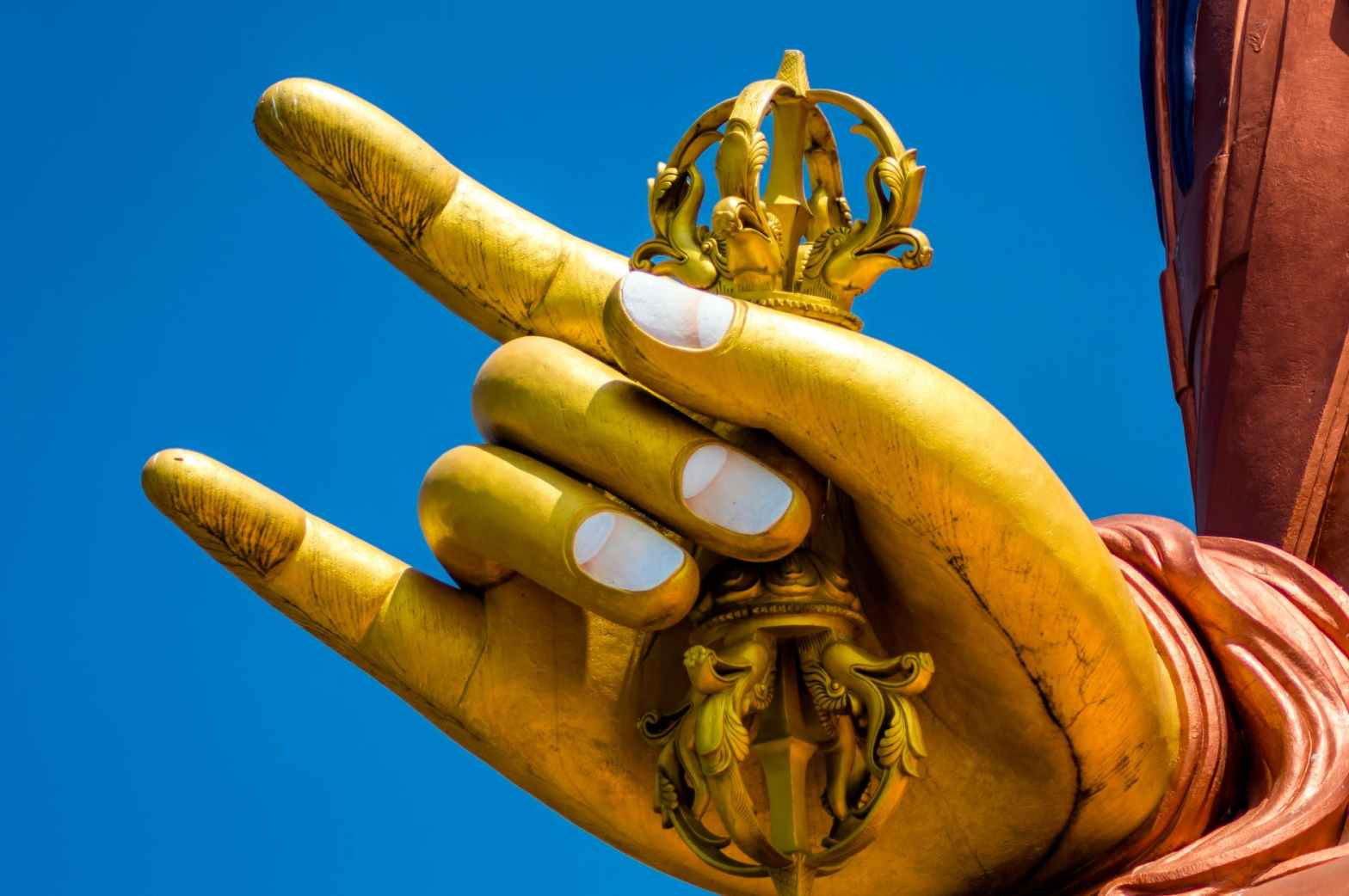
Radhe Radhe 🧡
Narendra Modi is the Prime Minister of India, and he delivered a speech on Civil Service Day, which is observed on April 21 every year. The event was attended by senior civil servants from across the country.
In his speech, Narendra Modi praised the role of civil servants in the development of the country and urged them to work towards building a strong and prosperous India. He highlighted the need for civil servants to be proactive, accountable, and transparent in their work and emphasized the importance of technology in improving governance.
The Prime Minister also talked about the importance of creating a people-centric government that is responsive to the needs of the citizens. He called for a culture of innovation and excellence in the civil service and emphasized the need to adopt best practices from around the world.
Narendra Modi also touched upon various issues related to the civil service, such as the need to improve the recruitment process, promote diversity and inclusivity, and provide better training and capacity-building opportunities for civil servants.
Overall, the speech was focused on the theme of building a strong and efficient civil service that is committed to serving the people of India. It was well received by the audience, and it is expected to inspire civil servants across the country to work towards the betterment of the nation.
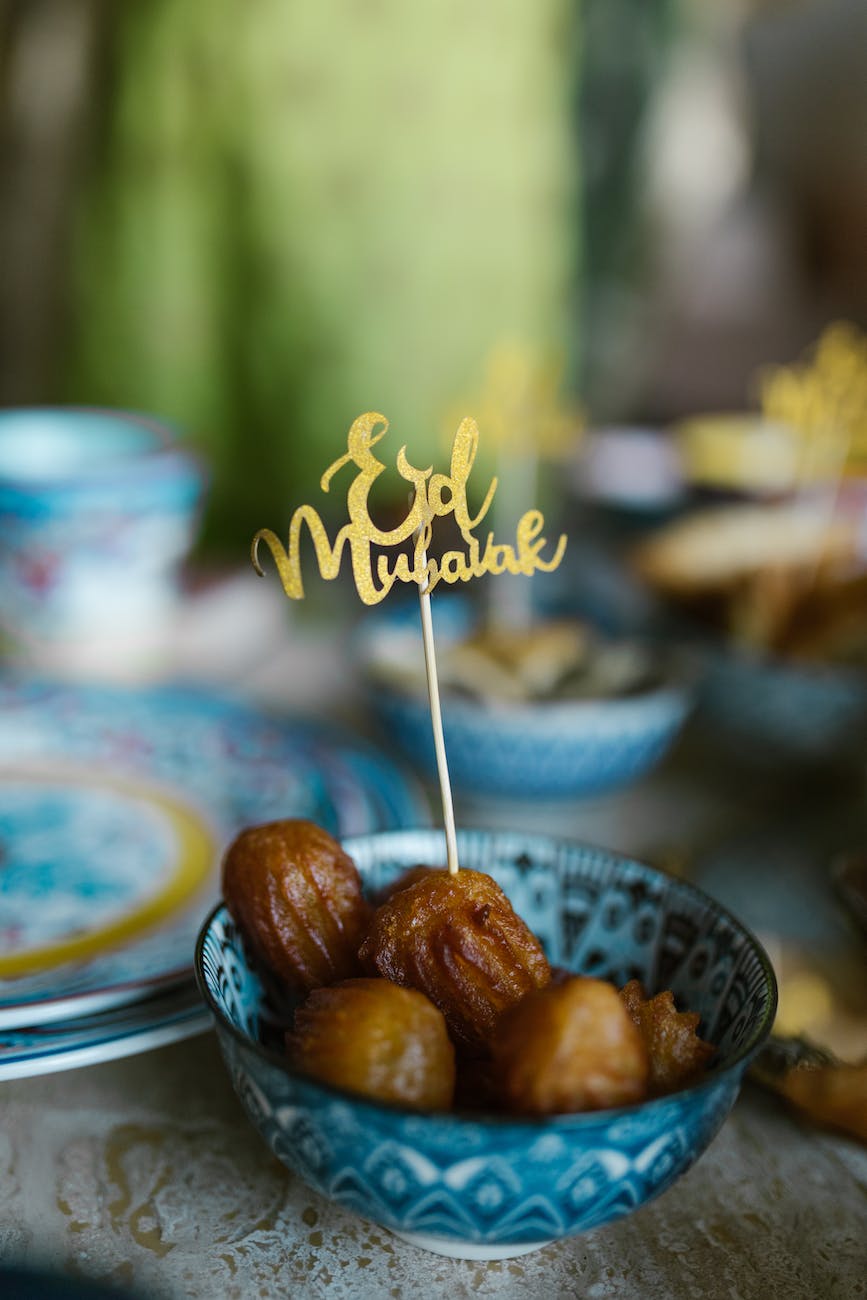
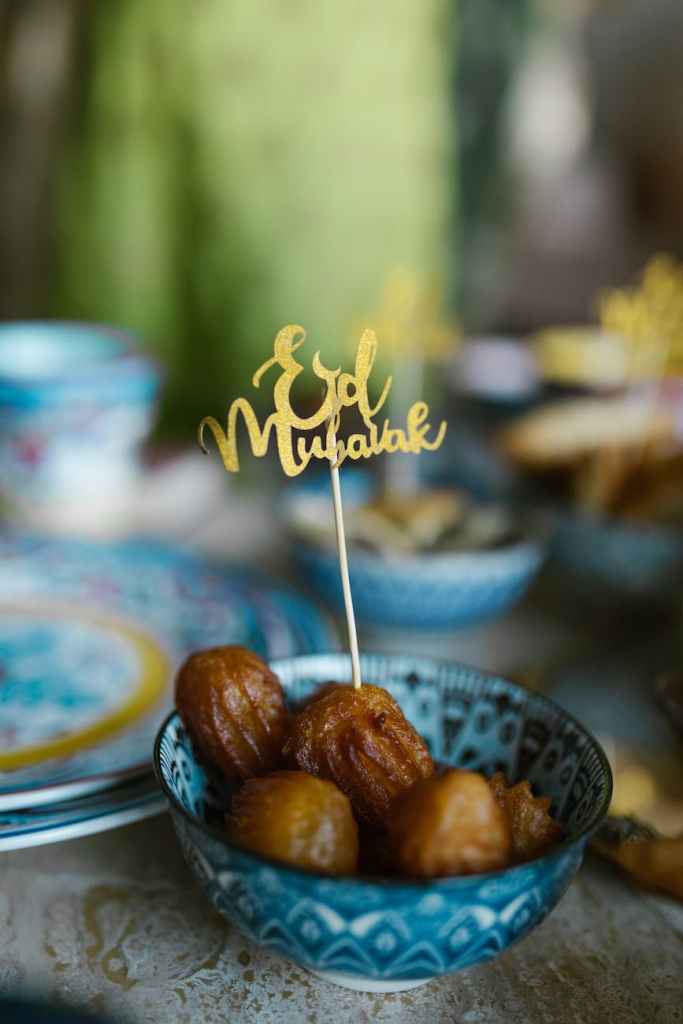
Eid is a significant festival celebrated with great fervor and enthusiasm across India. With a large Muslim population, the country comes alive with vibrant colors, lively music, and delicious food during the three-day festival.
The festivities begin with the sighting of the crescent moon, marking the end of the holy month of Ramadan. On the morning of Eid al-Fitr, Muslims dress up in their finest clothes and head to the mosque for prayers. The mosques are decorated with colorful lights, and the air is filled with the sound of the Takbir, a chant of “Allahu Akbar” (God is great) that echoes through the streets.
After the prayers, Muslims exchange warm greetings, hug each other, and wish each other a happy Eid. Children receive gifts and money from their elders, and families gather to share a sumptuous feast that includes traditional dishes such as biryani, kebabs, and sweet treats like sheer khurma.
Eid celebrations in India are marked by a rich diversity of customs and traditions. In some parts of the country, people decorate their homes with colorful lights and flower garlands, while in others, they take part in cultural events such as qawwali (a form of Islamic devotional music) and mehndi (henna tattoo) art.
One of the most iconic Eid traditions in India is the practice of visiting friends and family. It is common for people to dress up in their traditional attire and visit loved ones, exchanging gifts and feasting together. Many people also extend a warm welcome to their non-Muslim neighbors, sharing the joy and spirit of the festival with them.
The city of Hyderabad is famous for its elaborate Eid celebrations, with its historic Old City area coming alive with vibrant decorations, street vendors selling delicious food, and thousands of people coming together to celebrate. The Charminar, a historic monument, is lit up with colorful lights, and the streets are filled with the sound of drums and music.
In conclusion, Eid al-Fitr is a festival of joy and togetherness that brings people from different backgrounds and cultures together in celebration. The rich diversity of customs and traditions associated with the festival in India adds to its vibrancy and charm, making it a truly unique and unforgettable experience.


 Bloggers Adda